The LED strip market splits into two products with a two-letter difference and a real price gap: RGB strips show one color at a time; RGBIC strips show many colors at once, which is what makes the rainbow-chase and multi-color gradient effects possible. Whether that difference matters depends entirely on where the strip goes. This guide covers what the extra letters buy, where each strip belongs, and the installation details that decide whether the strip stays up for years.
The Core Difference, Visualized
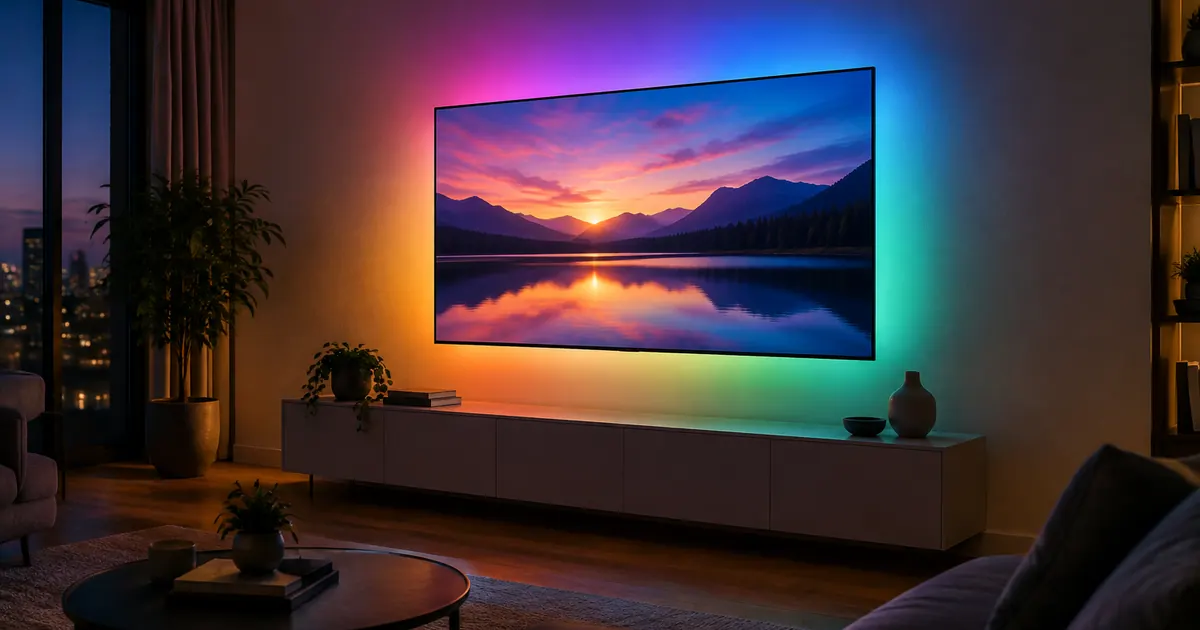
A standard RGB strip is one circuit: every LED shows the same color simultaneously. Set it to blue and the whole run glows blue. An RGBIC strip — like the RGBIC LED Strip Lights — has independent control sections (the IC stands for the control chips between segments), so one strip can run a gradient, chase a rainbow down its length, or pulse in segments to music. For accent lighting behind a TV or under cabinets, both do the job. For the gaming wall, the bar, or anywhere the strip itself is the show, RGBIC is the difference between a light and a display.
Where standard RGB still wins
Price and simplicity. A standard strip costs less, pairs faster, and its single-color modes cover every practical lighting need: warm white under cabinets, colored wash behind the sofa, sunset orange for the evening. If the strip is lighting rather than decoration, the extra letters buy nothing — and the Smart LED Strip Light is the honest choice.
Cuttable and Extendable: The Sizing Reality
Strips ship in 16.4-foot rolls, and rooms are not 16.4 feet. The cuttable RGBIC strip has marked cut points every few inches — cut at a mark and the strip ends cleanly (the cut section beyond it is done). Plan the run before peeling adhesive: measure the actual space, note where corners turn, and cut once. The strips that look professional are the ones cut to fit rather than bunched or doubled back.
Placement: The Three Rules
- Indirect mounting: strips mounted facing outward read as a strip of lights; strips hidden behind a lip — under cabinets, behind the TV bezel, along crown molding — read as the wall glowing. The hidden install is always the better one.
- Smooth surfaces only: the adhesive holds on painted drywall, glass, and finished wood. Textured walls need the mounting clips (included) rather than trusting the tape.
- Plan the power: the strip ends in a plug and a control box. An outlet within reach of the run's start is part of the design, not an afterthought.
App Control and Voice: The Daily Reality
Both strip types pair with the app and with Alexa and Google Home, and the daily pattern that emerges: scenes for the moments (movie, dinner, party), schedules for the rhythm (warm white at sunset, off at midnight), and voice for the exceptions. The RGBIC's extra scenes — rainbow cycle, segment pulse, music sync — are the ones guests ask about, which is the honest measure of when the upgrade is worth it.
The Decision, Compressed
- Buy RGBIC when the strip is visible and the effects are the point: gaming setups, bars, shelving displays.
- Buy standard RGB when the strip is hidden and the color is the point: under cabinets, behind furniture, closet lighting.
The Power and Brightness Math
Strip brightness is quoted in lumens, and the practical translation: under-cabinet task lighting wants the bright end (1,000+ lumens per run), while behind-the-TV bias lighting wants the dim end — brightness there is glare, not feature. Both strips in the Smart Lighting collection dim through the app, which is the setting that matters more than their maximum: a strip that dims smoothly does both jobs, and one that only does bright does neither well.
The Diffusion Trick
Raw LED strips show individual hot spots — each diode visible as a point of light. The professional-looking installs all use diffusion: mounting the strip behind an aluminum channel with a frosted cover, or simply hiding it behind a lip so the surface — not the strip — is what glows. The hidden-mount rule from the main guide solves most of this for free; the channel route is for the installs where the strip must be visible and smooth at once.
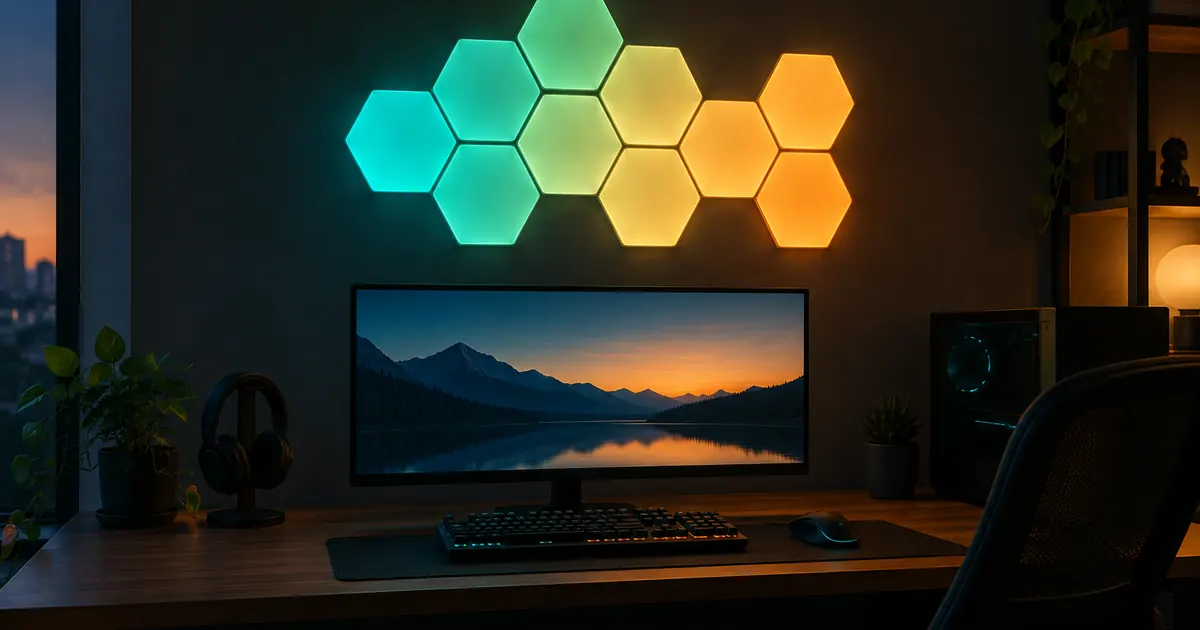
Both live in our Smart Lighting collection alongside the hexagon panels and color bulbs, with free US shipping, tax-free pricing, and 30-day returns — because the right strip is the one your room asks for, and that answer takes a week of living with it.